
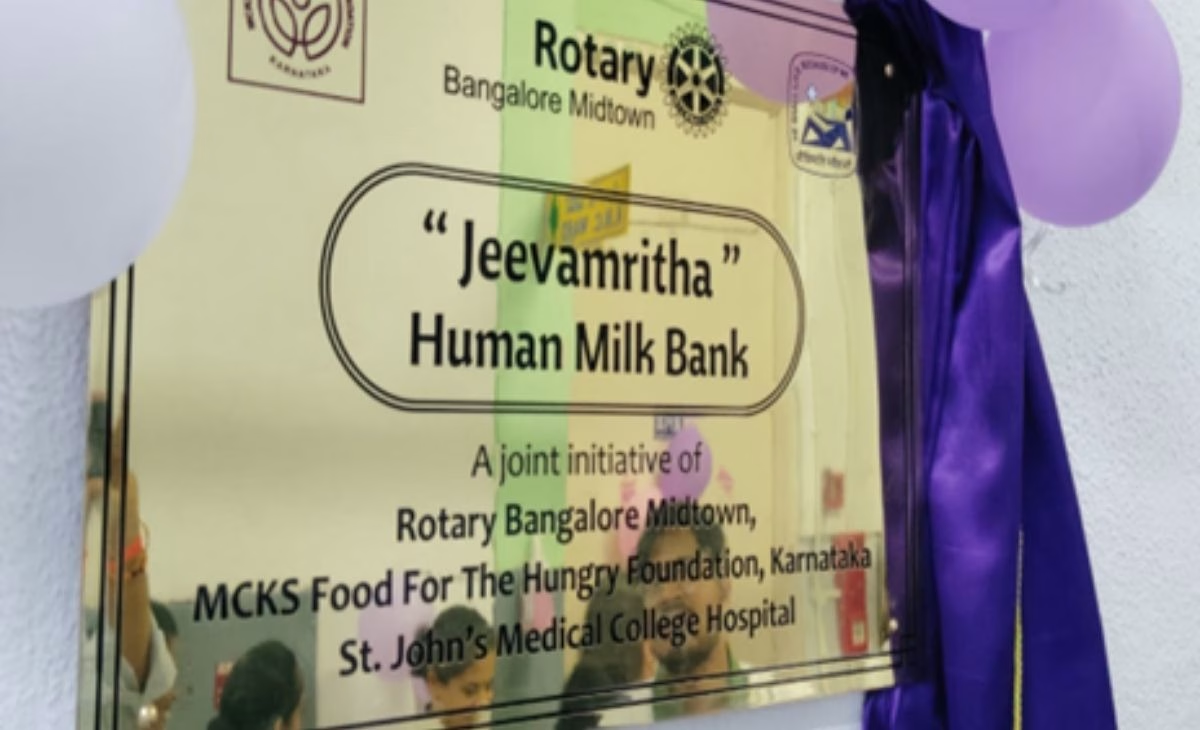
The Jeevamritha Human Milk Bank at St. John’s Medical College Hospital, established with the support of Rotary Bangalore Midtown and the MCKS Food for the Hungry Foundation, addresses the critical challenge of neonatal mortality by providing safe, pasteurised donor human milk to premature, low birth weight, and critically ill newborns whose mothers are unable to breastfeed due to medical or other unavoidable circumstances. Recognised as a medically proven, life-saving alternative, donor human milk plays a vital role in reducing neonatal infections and improving survival outcomes, particularly among underprivileged infants.
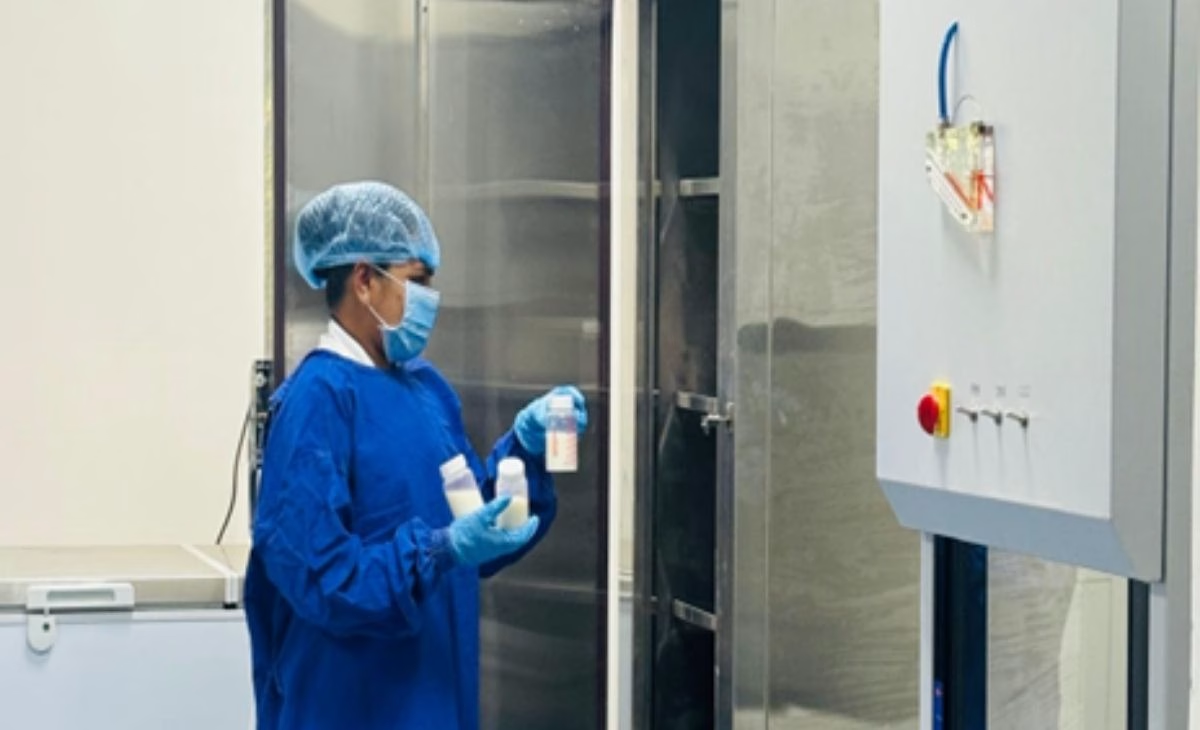
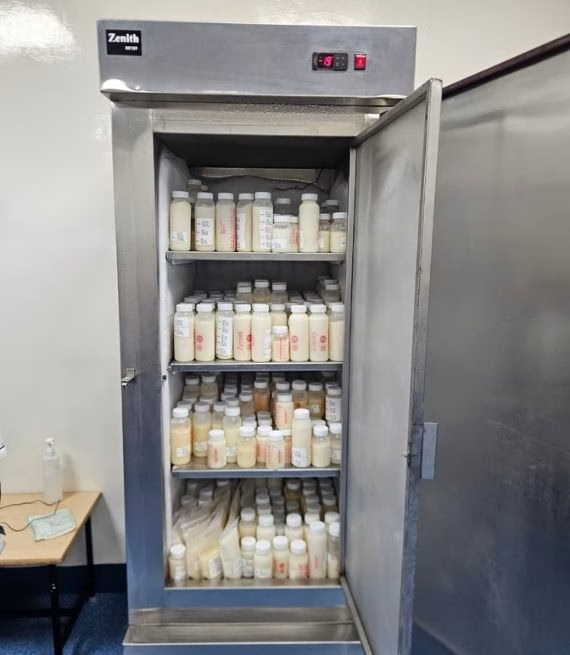
Equipped with advanced pasteurisation, deep-freezing, and microbiological testing facilities, the Milk Bank ensures the safe collection, processing, storage, and distribution of donor milk to infants in the NICU and paediatric units. During the year, 351 mothers donated breast milk, benefiting 147 preterm and critically ill babies. A total of 129.9 litres of donor human milk was pasteurised, of which 98.3 litres was safely dispensed following stringent quality assurance and sterility protocols. The project also strengthened donor awareness, staff capacity building, and continuous donor mobilisation to ensure a safe and sustainable supply of human milk. As a well-integrated and sustainable healthcare initiative, the Jeevamritha Human Milk Bank continues to provide hope and nourishment to the most vulnerable newborns while serving as a model for expanding human milk banking across India.
Jeevamritha Human Milk Bank Key Data & Impact
| Category | Data |
|---|---|
| Total Mothers Donated | 351 |
| Total Preterm Babies Benefited | 147 |
| Total DHM Collected (Pasteurised) | 129,900 ml |
| Milk Dispensed to Infants | 98,300 ml (98 litres) |
| Remaining Stock (PDHM) | 27,150 ml |
| Pre-Pasteurised DHM | 36,315 ml |
| Batches Processed | 130 |
| Pasteurisation Cycles | 38 |
| Discarded Milk (Contaminated) | 5,000 ml |